If you're planning a trip and wondering whether your phone can run an eSIM, you're in the right place. eSIM compatible phones are now the norm across most mid-range and flagship devices, but there are still plenty of traps to avoid. Regional variants, carrier locks, and budget models can all catch you out.
This guide covers everything: how to check your device in 30 seconds, a full updated 2026 list by brand, the most common compatibility pitfalls, and what to do once you know your phone is ready.
How to Check if Your Phone Supports eSIM
The Universal 30-Second Method
Before you dig through settings menus, try this first. It works on every smartphone, iPhone or Android.
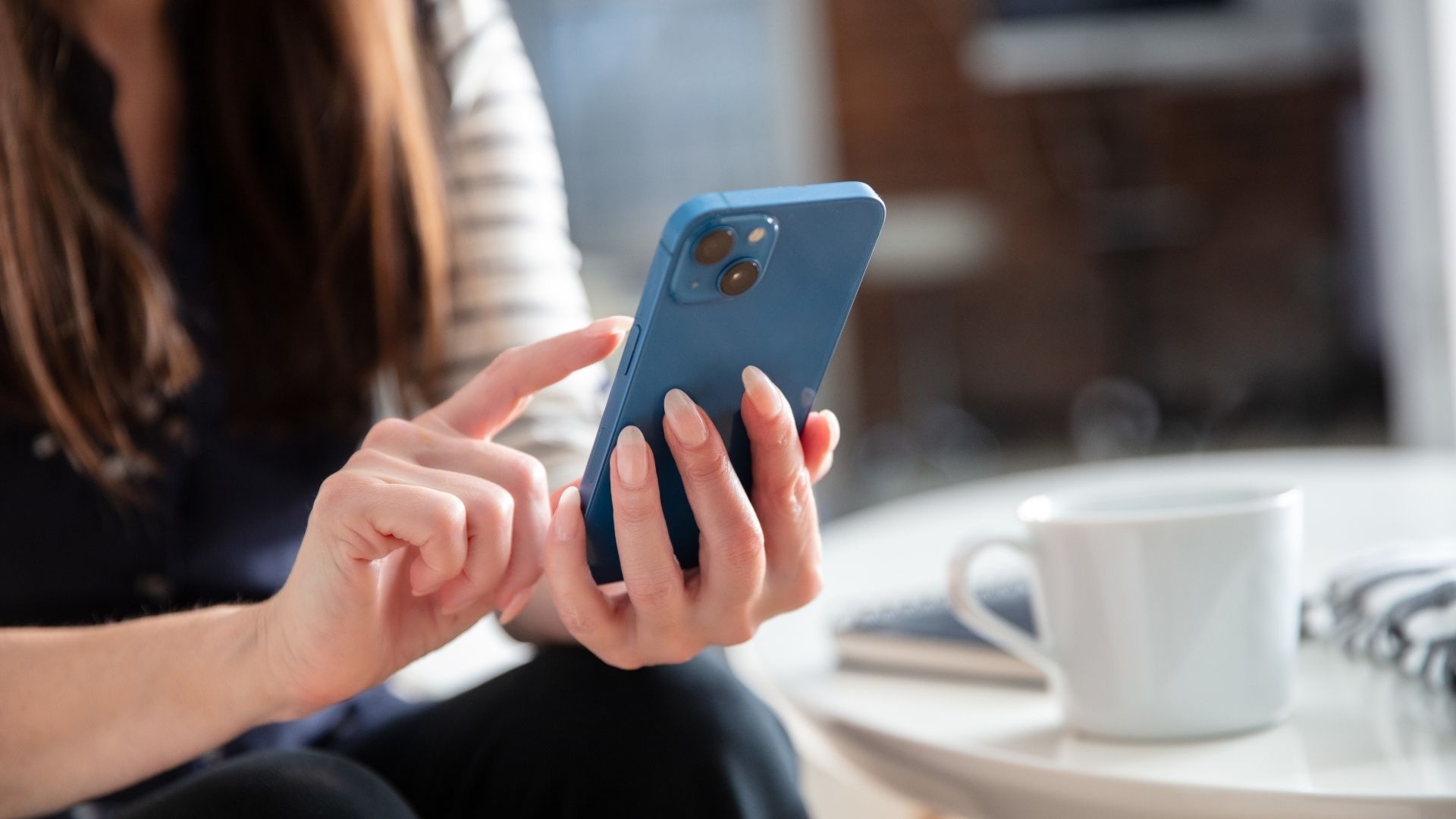
- Open your phone's dial pad, as if you were making a call.
- Type
*#06#. - A screen appears showing your IMEI (your phone's unique identifier). Look for a line labelled EID.
- If a 32-digit number appears next to "EID", your phone has an eSIM chip built in.
The EID is the unique identifier for the embedded SIM inside your device. Think of it as the serial number for your eSIM hardware. No EID displayed means no eSIM hardware. In that case, double-check via your settings before drawing any conclusions.
The Settings Path (iOS and Android)
If the *#06# method doesn't give you a clear answer, go straight to your settings.
On iPhone:
- Settings > Mobile Data > Add eSIM
If "Add eSIM" appears as an option, your iPhone supports it. If the option is missing entirely, your model doesn't have eSIM capability.
On Android (Samsung, Pixel, and others):
- Settings > Connections > SIM Card Manager > Add eSIM
The exact wording varies slightly depending on your Android version and manufacturer, but you're always looking for "Add eSIM" or just "eSIM" somewhere in your network or SIM settings.
Hardware Compatible vs. Carrier Unlocked: Two Different Things
This is a distinction a lot of people miss. A phone being eSIM compatible means two separate things.
First, the eSIM chip is physically embedded in the device. Second, your current carrier hasn't locked the phone in a way that blocks third-party eSIM activation. Both conditions need to be true. A perfectly capable device can refuse to activate a travel eSIM if it was bought on a locked contract. I'll come back to this in the traps section.
eSIM Compatible Phones: Full 2026 List by Brand
eSIM Compatible iPhone Models
Apple brought eSIM to the iPhone with the iPhone XS, XS Max, and XR in 2018. Every model released since then supports it: the iPhone 11, 12, 13, 14, 15, and 16 ranges, including all Pro, Pro Max, and mini variants.
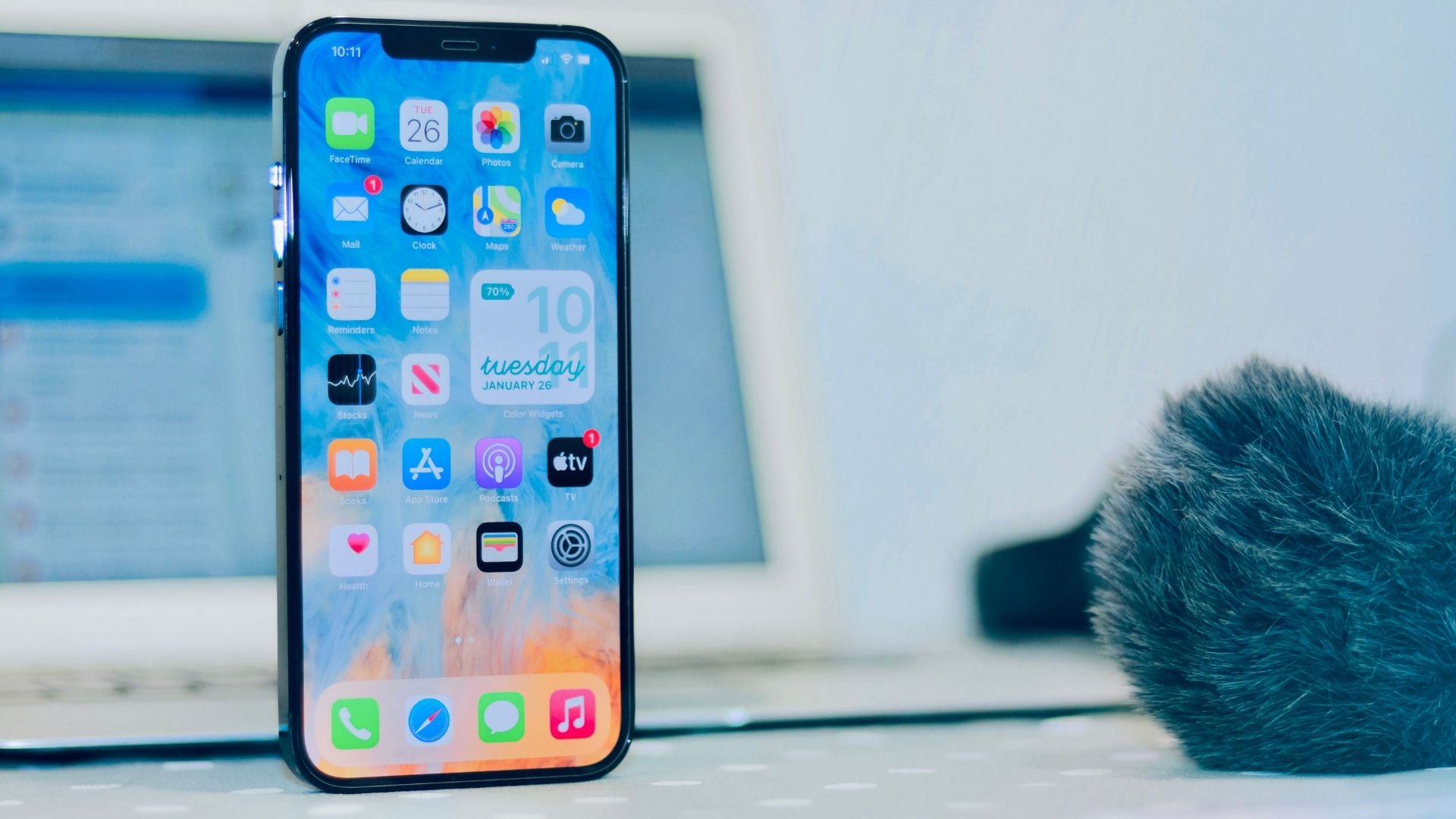
Two important exceptions. iPhones sold in mainland China come with dual physical SIM slots and no eSIM. And iPhone 14 and later models sold in the United States are eSIM-only, with no physical SIM tray at all. Models sold in the UK and the rest of Europe keep the standard combination: one physical SIM plus eSIM.
If you bought your iPhone in the UK from Apple or a mainstream retailer, you're almost certainly fine.
eSIM Compatible Samsung Galaxy Phones
Samsung rolled out eSIM across its flagship range from the Galaxy S20 (2020) onwards. The full list of compatible Samsung devices includes:
- Galaxy S20, S21, S22, S23, S24, S25 (all variants including Plus and Ultra)
- Galaxy Note 20 and Note 20 Ultra
- All Galaxy Z Fold models (Fold, Fold 2, Fold 3, Fold 4, Fold 5, Fold 6)
- All Galaxy Z Flip models (Flip, Flip 3, Flip 4, Flip 5, Flip 6)
- Galaxy A54 and A55 (selected mid-range models)
Samsung devices that are NOT eSIM compatible include most of the Galaxy A-series budget range, older Galaxy S models before the S20, and regional variants of otherwise compatible phones sold in parts of Asia. If your Samsung was bought outside Europe, always verify with *#06#.
eSIM Compatible Google Pixel Phones
Google was actually ahead of the curve here. The Pixel 3 (2018) was one of the first Android phones to support eSIM, and every Pixel since has included it: Pixel 4, 5, 6, 7, 8, and 9, along with all their "a" variants and Pro models.
A small number of Pixel 3 units distributed through specific US and Australian carriers had eSIM restrictions, but this doesn't affect UK-bought devices. If you have a Pixel purchased in Britain, you're good to go.
eSIM Compatible Google Pixel Watch Models
The Google Pixel Watch (1st gen), Pixel Watch 2, and Pixel Watch 3 all support eSIM on their LTE variants. The Wi-Fi-only versions do not. If you're considering using an eSIM on a smartwatch, make sure you've bought the cellular model specifically.
eSIM Compatible HONOR Phones
HONOR re-entered the UK market as an independent brand after separating from Huawei, and several recent models support eSIM. The HONOR Magic5 Pro, Magic6 Pro, and Magic V2 are among the confirmed compatible devices. Budget HONOR models generally do not support eSIM. Check the HONOR UK website for the most current list, as the range is expanding.
eSIM Compatible Motorola Phones
Motorola's eSIM support is concentrated in its foldable and premium lines. The Motorola Razr 40, Razr 40 Ultra, and Edge 40 Pro are compatible. Most Moto G-series budget phones are not. If you're a Motorola user, the *#06# check is especially worth doing before assuming compatibility.
eSIM Compatible Tablets and iPads
It's not just phones. Several tablets support eSIM too, which is useful if you travel with an iPad for work or content.
eSIM compatible iPad models (Wi-Fi + Cellular versions only):
- iPad Pro 11-inch (all generations from 2018 onwards)
- iPad Pro 12.9-inch (3rd generation onwards)
- iPad Air (3rd generation onwards)
- iPad mini (5th generation onwards)
- iPad (7th generation onwards)
The Wi-Fi-only versions of these iPads do not support eSIM. You need the cellular variant.
Other Brands Worth Knowing
A few other manufacturers offer eSIM support on selected models:
- Sony Xperia: The Xperia 1 and Xperia 5 series (recent flagship generations) support eSIM.
- OnePlus / Oppo: The OnePlus 12 and recent Find X Pro models are compatible. Mid-range and budget lines generally are not.
- Microsoft Surface: Several Surface Pro and Surface Go models with LTE support eSIM. Useful if you travel with a Windows tablet.
Quick Reference: eSIM Compatibility by Brand
| Brand | Compatible From | Key Exceptions |
|---|---|---|
| Apple iPhone | iPhone XS / XR (2018) | Mainland China models (no eSIM); iPhone 14+ US = eSIM-only |
| Samsung Galaxy | Galaxy S20 (2020), Note 20, all Z Fold/Flip | Regional Asian variants often physical Dual SIM only |
| Google Pixel | Pixel 3 (2018) | A few carrier-specific Pixel 3 units in US/AU |
| HONOR | Magic5 Pro, Magic6 Pro, Magic V2 | Budget models not compatible |
| Motorola | Razr 40, Razr 40 Ultra, Edge 40 Pro | Moto G budget range not compatible |
| Sony Xperia | Xperia 1 / Xperia 5 (recent flagships) | Older models and budget range not compatible |
| OnePlus / Oppo | OnePlus 12, Find X Pro (recent) | Most mid-range and budget models not compatible |
| Apple iPad | iPad Pro 2018+, iPad Air 3rd gen+, iPad mini 5th gen+ | Wi-Fi-only versions not compatible |
| Google Pixel Watch | Pixel Watch (LTE variant) | Wi-Fi-only versions not compatible |
The Traps That Make a Phone "Incompatible"
Regional Variants: The Biggest Catch
This is the number one issue I see people run into. The same phone model can exist in multiple hardware versions depending on where it was sold. A Galaxy S23 bought from a UK retailer has eSIM. The same Galaxy S23 bought in China or certain Southeast Asian markets may be a physical Dual SIM variant with no eSIM hardware at all.
How do you know which version you have? Dial *#06#. If no EID appears, you likely have a regional variant without eSIM. You can also check your exact model number in Settings > About Phone and compare it against the manufacturer's official compatibility list.
Carrier-Locked Phones
Some phones sold on contract in the UK are network-locked, meaning they'll only work fully with the carrier that sold them. This lock can prevent you from activating a third-party eSIM, even if the hardware supports it perfectly.
If you bought your phone directly from EE, Vodafone, O2, or Three on a contract, check whether it's unlocked. In the UK, carriers are required to unlock devices for free once your contract has ended, and many will do it earlier on request. Contact your carrier if you're unsure.
Budget and Older Devices
eSIM is still largely a mid-range and flagship feature. If you're using an entry-level Samsung Galaxy A-series phone, a budget Motorola, or any smartphone more than four or five years old, the odds of eSIM support are low. The *#06# check takes ten seconds and removes all doubt.
Your Phone Is Compatible: What Next?
Once you've confirmed your device supports eSIM, the next step is choosing the right plan for your destination.
The key variables are: where you're travelling, how long you'll be away, and how much data you actually use. A weekend in Paris needs something very different from a three-week trip through Southeast Asia or a month-long stint in the US.
Providers like Airalo, Holafly, Nomad, and Saily all offer eSIM plans for UK travellers, with different coverage maps, data caps, and pricing structures. Rather than list prices here (they change regularly), I'd point you straight to the comparator where you can filter by destination and see live options.
Compare eSIM plans for your trip